
Human connection provides a powerful biological and emotional shield against seasonal changes. In modern dating…
Active Listening as Emotional First Aid: What It Is and Why It Matters
When life feels heavy, most of us don’t need someone to jump in with advice. What often helps is having someone who can stay with us in the moment. Active listening is a simple but powerful form of emotional first aid. When we feel truly heard, our bodies start to calm, our thoughts untangle, and we can start to make sense of our feelings.
Active listening isn’t about fixing things or trying to make the feelings go away. It’s about giving someone space to talk without feeling judged, rushed, or interrupted. Within our families, friendships, and school or workplaces, we might feel a need to fix or play down someone’s situation to make them feel better, or to reassure them that things aren’t “that bad.” But when this happens, people often say they feel talked over, misunderstood, or pushed toward solutions before they’re ready. This is why active listening can be such a gentle but powerful support.
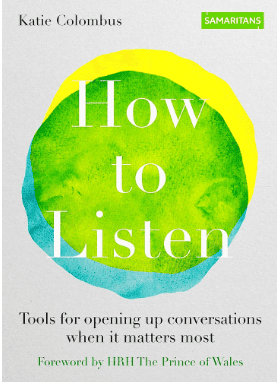
The Samaritans’ book How to Listen (Samaritans (2022) How to Listen. London: Ebury Press) shares helpful tips from listening volunteers on how to talk about feelings and how to listen in a meaningful way. It explains that listening is a way of helping someone feel less alone with what they’re carrying. Their approach is simple and compassionate: slow down, be curious, and offer space rather than solutions. You don’t need to be a counsellor or listening volunteer to use these ideas, they’re everyday skills that make a real difference when anyone may be struggling.
At its core, active listening is about being present. It means noticing the person in front of you, how they’re speaking, what emotions you can hear underneath their words, and where they pause or hesitate. Listening in this way sends a clear message: I’m here with you, and what you’re feeling matters. For someone who’s upset or overwhelmed, that message alone can help reduce the intensity of what they’re feeling.
Our bodies respond to being listened to. When someone feels understood, their breathing often becomes steadier, their muscles relax, and their thoughts can feel less chaotic. This happens because feeling heard helps the body shift out of “fight or flight” mode and begin to regulate once more. In simple terms, listening to someone helps their body feel safer.
Active listening also helps people understand themselves better. When we’re not interrupted or pushed toward a quick fix, our thoughts have room to unfold. We often discover what we really feel as we say it out loud. The listener isn’t giving answers, they’re giving space.
As the end of the summer holidays draw closer, many children are preparing for new classes and schools, young people are getting ready for the next chapter in their lives, and families are adjusting to new routines, all of which can bring a mix of excitement and overwhelm that’s often easier to talk about when someone is listening with care.
Here are three easy ways to practice your active listening in everyday life:
- Pause a little longer before responding. Give the other person a moment to finish their thought and process what they are saying. Sometimes a quick response can make a person feel that they are not being heard.
- Reflect back a key feeling. “It sounds like you’re really overwhelmed today.” This clearly demonstrates that you’re listening and enables the person to correct or elaborate on how they are feeling.
- Stay curious, not leading. Ask gentle open-ended questions using what, where, when, how and who (steer clear of ‘why’ as this can sometimes feel judgemental) instead of offering solutions.
These small practices can help someone feel safe enough to keep talking.
Active listening doesn’t require training or special language. It’s a human skill that anyone can practise. And in moments of emotional overwhelm, it can be as steadying as first aid. When someone feels heard, they feel less alone. Their feelings become easier to manage. Their next step becomes clearer.
In a world where many people feel disconnected or unheard, active listening is a quiet but powerful act of care. It reminds us that emotional support doesn’t always come from big actions. Sometimes it comes from simply being present, paying attention, and offering the kind of listening that helps someone breathe again.
A regulated body makes room for a clearer mind and listening is one of the simplest ways we offer that regulation to someone who needs it, creating the kind of safety where feelings become easier to hold and life feels a little less overwhelming.
Related Posts


This Post Has 0 Comments